
KRAKÓW, Poland — At precisely noon on Saturday, more than 300 clocks began to chime at once inside a narrow townhouse just off Kraków’s main square. Visitors who had waited in line for hours broke into applause, and a few wiped away tears. After 14 years behind scaffolding, the city’s Clockmakers’ Museum was open again.
The museum, housed in a 17th-century merchant’s home, holds one of Central Europe’s largest collections of mechanical timepieces, from tower clock mechanisms to delicate pocket watches. It closed in the early 2010s after engineers found serious structural damage, and its collection was packed into storage while restoration work dragged on.
About 30,000 people visited in the first week, according to museum director Katarzyna Wiśniewska, far more than organizers had expected. “We thought people might have forgotten us,” she said. “Instead, grandparents came with grandchildren to show them the clocks they remembered from their own school trips.”


A slow, careful restoration
The project cost the equivalent of about $26 million, funded by the city, national heritage programs and European Union cultural grants. Workers reinforced foundations, repaired painted wooden ceilings and installed climate control systems to protect delicate mechanisms from humidity. The clocks themselves required years of painstaking work. A team of 11 conservators and volunteer clockmakers cleaned, repaired and, where possible, restored about 420 timepieces to working order.
- Years closed: 14
- Restoration cost: about $26 million
- Clocks restored to working order: about 420
- Visitors in the first week: about 30,000
Keeping a craft alive
Beyond the exhibits, the museum has opened a workshop on its ground floor where visitors can watch conservators at work. Officials hope the space will help revive interest in traditional clockmaking, a craft that has dwindled as fewer young people take it up.
A clock is not just a machine. It carries the hands of everyone who built it and repaired it. If we stop teaching this work, those hands disappear too.
Józef Malinowski, 76, master clockmaker and museum volunteer
The museum has partnered with a technical school in Kraków to offer apprenticeships, and eight students began training this fall. Organizers say the program has already received inquiries from students in Germany, Slovakia and Lithuania.
Not everyone was pleased with how long the project took. Some local residents and heritage advocates criticized delays and cost overruns, saying earlier action could have saved money. City officials acknowledged problems with early contractors but said unexpected structural damage made the work more complicated than first planned.
“Old buildings keep their secrets until you open the walls,” said Tomasz Nowicki, the city’s heritage officer. “We could have rushed it. We chose to do it right.” Tourism officials expect the museum to become one of the city’s more popular attractions, though they plan to limit daily visitors to protect the building and its collection. Timed tickets will be required starting next month.
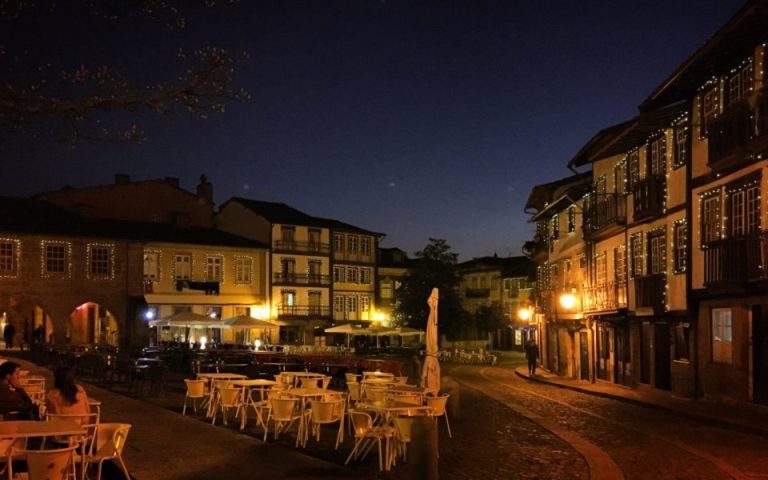
The reopening has also brought new life to the surrounding street. Owners of a nearby café and a bookshop said foot traffic had roughly doubled since Saturday, and a family-run bakery began selling small pastries shaped like pocket watches. City officials said they hope the museum will encourage visitors to explore quieter lanes beyond the busy main square, spreading tourism more evenly through the old town.
On a weekday afternoon, a group of schoolchildren gathered around a towering astronomical clock with painted figures that move every hour. When the mechanism whirred and a tiny wooden trumpeter emerged, the children shrieked with delight. “That’s the sound I remember,” said Wiśniewska, watching from the doorway. “Fourteen years of silence, and now the house is ticking again.”