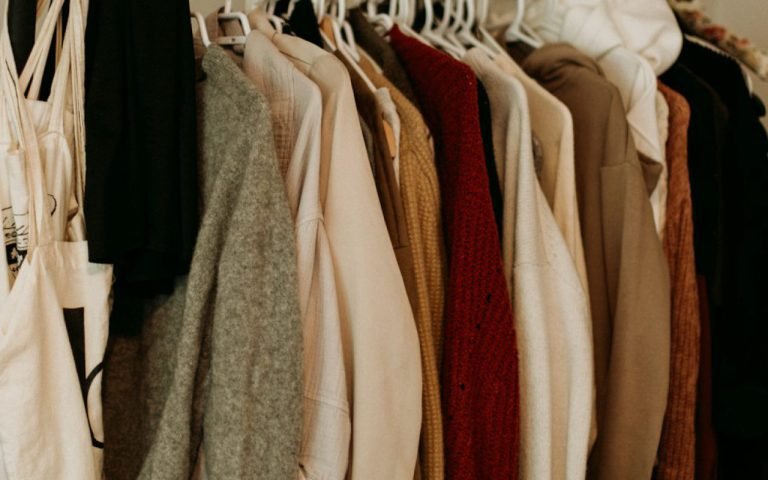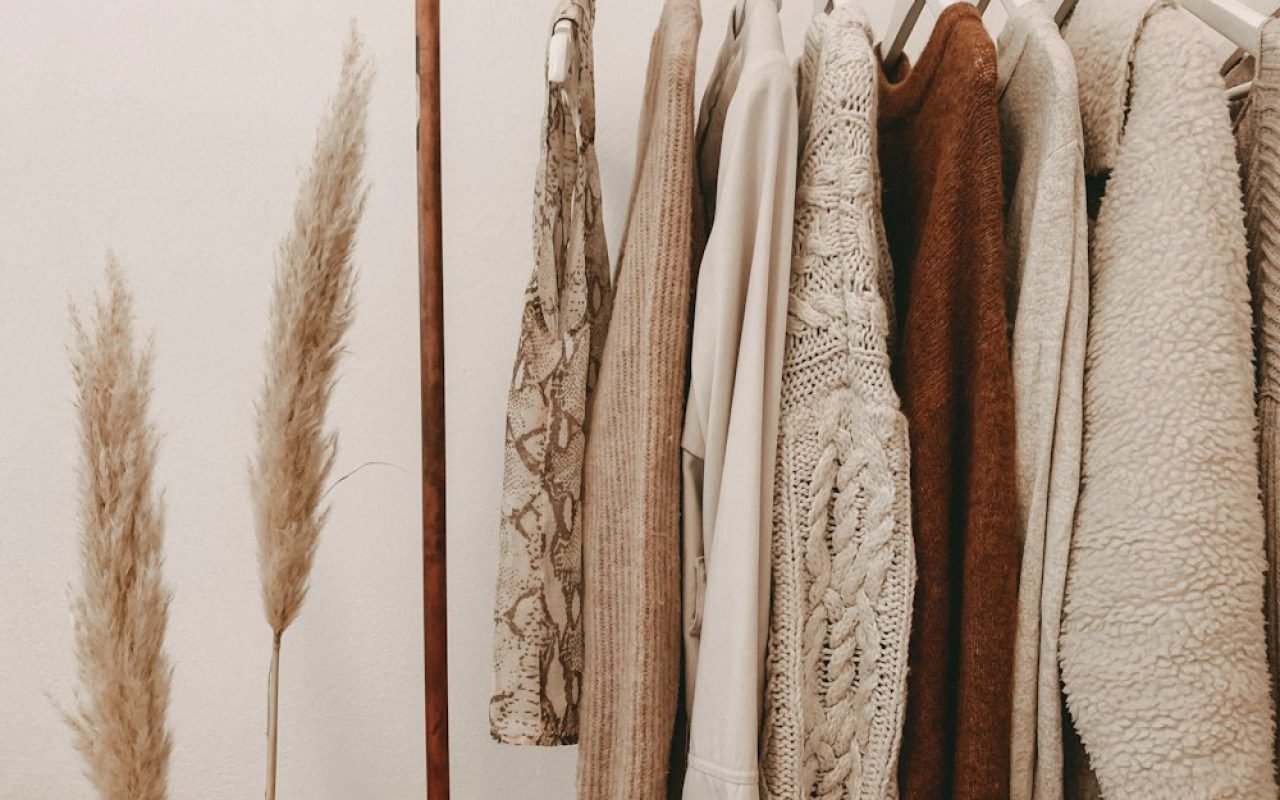
Fall’s favorite colors are earthy and easy to mix. Rust, olive and cream have been showing up everywhere this season, on knit sweaters, wool coats, corduroy trousers, suede bags and even nail polish. They borrow their mood from the landscape outside: turning leaves, dried grasses, harvest fields and the warm light of an October afternoon. Together, they make a palette that feels cozy without being dull and polished without being stiff. Best of all, they work on a wide range of skin tones and flatter almost any wardrobe.
If you have never worn rust or olive before, the idea of adding them to your closet may feel daunting. It does not have to. This guide shows how to start small, what to pair them with and how to build full outfits once you are hooked.
Meet the palette
Each of the three colors plays a different role, and understanding that role makes them easier to wear.


- Rust is the star. A warm, orange-leaning red-brown, it has the energy of an accent color but the softness of a neutral. It glows next to warm skin tones and adds life to deeper complexions.
- Olive is the supporting player. A muted green with brown undertones, it behaves almost like khaki, which means it mixes with more than you might expect.
- Cream is the peacemaker. Softer than stark white, it brightens the other two and makes the whole palette feel fresh.
Used together, the three colors look rich and deliberate. Used separately, each one slips easily into an existing neutral wardrobe.

Start small
Try the color in a scarf or sweater before a coat. That is our first rule for any new color, and it applies especially well here. A rust scarf or a pair of olive socks peeking out of a boot costs little and tells you a lot. Do you reach for it often? Do you like how it looks near your face? Does it go with what you already own?
Once a small piece earns its place, move up to a sweater or a shirt. A rust crewneck is one of the most versatile pieces you can add this fall. It pairs with jeans, gray trousers, black skirts and olive cargo pants. An olive overshirt works as a light jacket in September and a layering piece in November.
Only after you know you love the color should you consider a big investment, such as a wool coat or leather boots. Those pieces should last for years, so choose them carefully.
Rust is the new black — at least until spring.
Ava Monroe, stylist
Ava is only half joking. Much like black, rust works as a foundation for many outfits once you have a few pieces in the shade. It is simply warmer, softer and more seasonal.
Pair with neutrals
Cream, camel and denim make rust and olive glow. Neutrals give the eye a place to rest, which lets the richer colors shine without looking busy.
Cream is the classic partner. A rust sweater with cream wide-leg trousers is one of the most flattering outfits of the season. Camel adds a luxurious warmth; a camel coat thrown over olive and cream reads as quietly expensive. Denim is the easiest of all. Mid-blue and dark-wash jeans pair beautifully with both rust and olive, and the slight contrast between warm and cool keeps the outfit balanced.
Chocolate brown and soft gray work well, too. Black can be tricky, because it can make the palette look heavy, but black boots or a black bag are perfectly fine accents.
Outfit ideas to try
- A rust crewneck sweater, dark jeans and brown leather boots.
- An olive shirt jacket over a cream tee, with camel trousers and white sneakers.
- A cream cable-knit with olive corduroy pants and loafers.
- A rust midi skirt, a cream turtleneck and a camel coat.
- An olive knit dress with brown tights and a rust scarf.
- All three: a cream shirt, an olive cardigan and rust trousers, finished with gold jewelry.
Key takeaway: anchor rust and olive with cream, camel or denim, and add only one bold piece at a time until the palette feels natural.
Texture makes it better
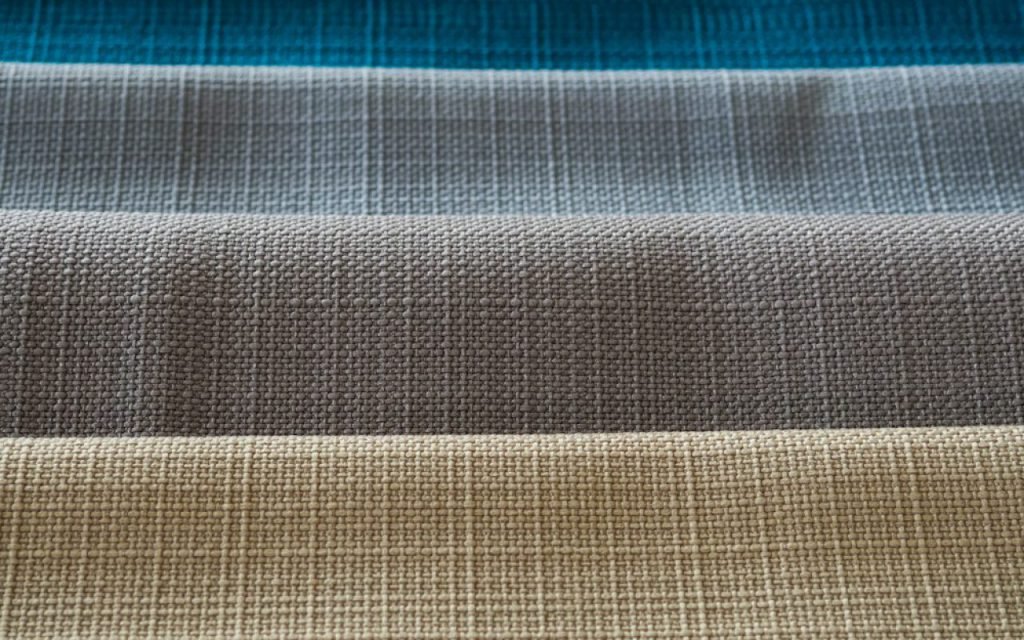
Earthy colors look best when they have something to hold onto. A flat rust T-shirt can look plain. The same rust in a ribbed knit, a brushed flannel, a suede jacket or a wide-wale corduroy suddenly looks rich and dimensional. Fall is the season of texture, and this palette takes full advantage.
Try pairing at least two textures in every outfit. A chunky olive knit over a smooth cream silk blouse. Suede rust boots with crisp denim. A cream bouclé jacket with olive wool trousers. Mixing textures within a tight palette keeps a look from feeling flat while still feeling calm and coordinated.
Accessories offer another chance for texture. Woven leather bags, wool hats and knitted scarves all bring warmth and depth.
Finding your best shade
Not every rust or olive suits every person, and that is fine. Rust ranges from bright terracotta to deep brick, and olive ranges from sage-like greens to deep army tones. Hold a few shades up to your face in natural daylight and see which ones make your skin look brighter and your eyes look clearer. Many people with cooler undertones prefer deeper, browner versions; many people with warmer undertones enjoy the brighter, orange-leaning shades.
If a color is not quite right near your face, wear it below the waist instead. Rust trousers or an olive skirt let you enjoy the shade without worrying about how it reflects on your complexion.
Beyond clothing
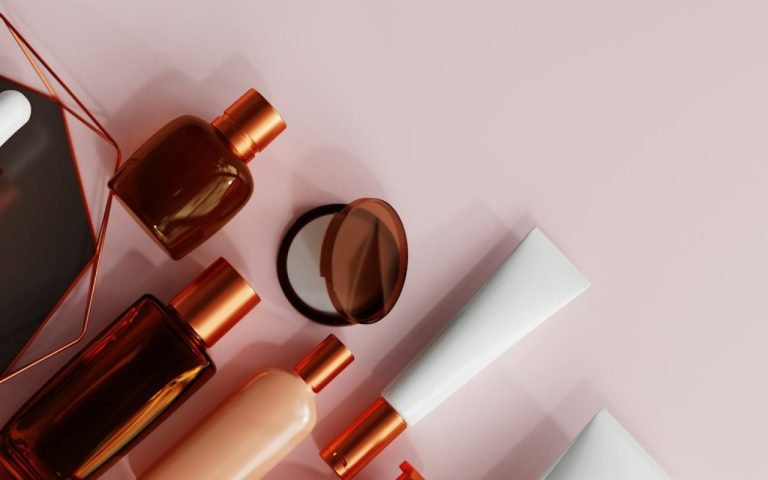
The palette works well outside your closet, too. Many people find that the same colors look beautiful in makeup and accessories. A terracotta lipstick or a warm bronze eyeshadow echoes rust without requiring a new sweater. A mocha or brick nail polish ties an outfit together quietly. Gold jewelry tends to flatter the warm palette more than cool silver, though mixing metals is perfectly fine if you repeat each one.
Bags and shoes are excellent long-term investments in these shades. A cognac or rust leather bag will work with everything from denim to black tailoring, and olive suede boots can carry you well into winter.
Shopping the palette wisely
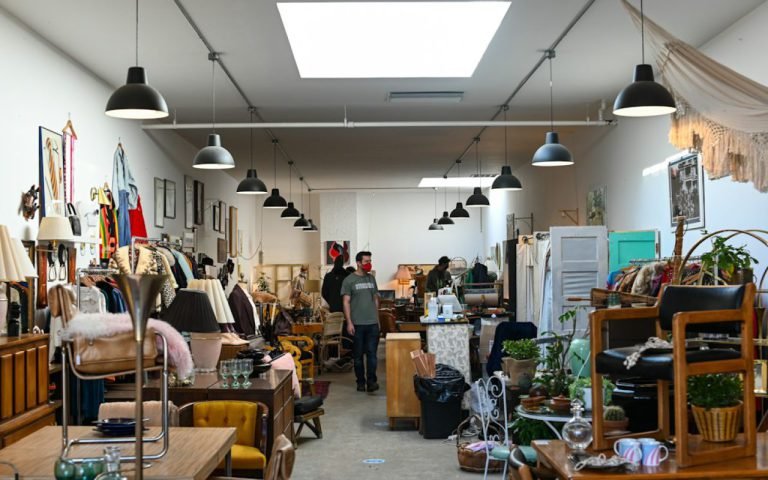
Before you buy, take a quick inventory. You may already own more pieces in this palette than you realize: a cream sweater from last year, an olive jacket in the back of the closet, a brown belt that ties it all together. Secondhand shops are full of earthy colors from past decades, especially in wool and corduroy, so they are a great place to look first. When you do buy new, choose natural fibers and timeless shapes so the pieces outlast the trend.
Make it your own
Trends come and go, but earthy colors have a way of sticking around because they are so easy to live with. Start with a scarf or a sweater, pair it with the neutrals you already own and build slowly. By the time the leaves have fallen, you may find that rust, olive and cream have become the backbone of your fall wardrobe, and perhaps a few seasons after that, too.