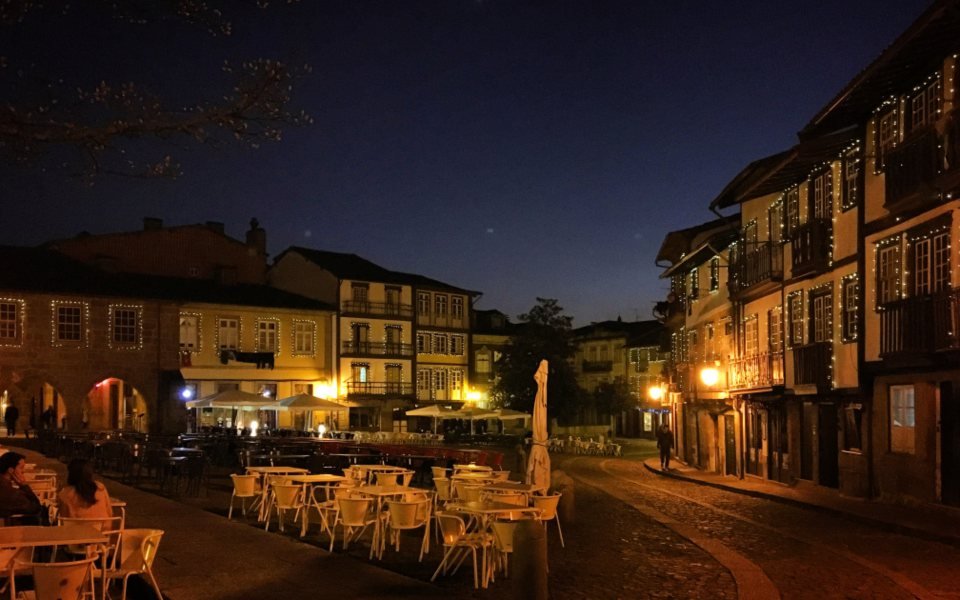

SEVILLE, Spain — As temperatures climbed past 109 degrees Fahrenheit for a third straight afternoon, the line outside the municipal library in Seville’s Triana district began forming before noon. Inside, rows of folding chairs, water coolers and a pair of nurses waited for the city’s elderly residents and anyone else looking for relief.
The library is one of roughly 900 “cool rooms” opened this week across southern Europe, as a heat dome parked over the Mediterranean sent temperatures to near-record levels in parts of Spain, Portugal, Italy and Greece. Officials say the coordinated response, built on lessons from past summers, has so far helped keep emergency room visits below the levels seen in earlier heat waves.
“We learned that heat is a quiet emergency,” said Carmen Villalobos, who directs the Andalusian Heat Response Office. “People do not call for help. They stay home with the shutters closed and suffer alone. So we go to them, and we open doors everywhere we can.”


A playbook refined over years
Many cities in the region now follow color-coded heat plans that activate automatically when forecasts cross certain thresholds. At the highest level, outdoor construction and street cleaning shift to early morning hours, public pools extend their schedules, and social workers phone or visit residents on registries of people living alone.
- Cooling centers opened: about 900 across four countries
- Peak temperature recorded: 111 degrees in parts of southern Spain
- Calls to elderly residents: more than 120,000 in Andalusia alone
- Outdoor work restrictions: in effect from 1 p.m. to 6 p.m. in many cities
In Athens, the city kept several metro stations open as cooling points into the evening. In Rome, volunteers distributed water at bus stops near major tourist sites, and museum operators adjusted hours to open earlier in the morning. In Lisbon, officials deployed misting stations in public squares.
Workers and businesses adjust
Labor groups have generally welcomed the outdoor work restrictions, though some small business owners say the shifted schedules are costly. Delivery companies and farm operators said they were juggling staffing to cover dawn shifts.
Nobody wants a worker to collapse on a roof. But when you cut five hours from the middle of the day, the work does not disappear. We need flexibility and some support to make it fair.
Giorgos Papadakis, president of the Hellenic Small Builders Association
Public health researchers say the bigger long-term challenge is housing. Many older apartment buildings in southern Europe were designed for a cooler climate, with little insulation and no air conditioning. Sofia Marques, a researcher at the Mediterranean Climate and Health Institute in Lisbon, said programs to add shade, reflective roofs and street trees could reduce indoor temperatures by several degrees.
“Cooling centers save lives in an emergency,” Marques said. “But the real goal is to make homes livable so people do not have to leave them every summer afternoon.” Tourism officials, meanwhile, are watching visitor patterns closely. Some regions have begun encouraging travel in spring and autumn, when temperatures are milder. Hotel associations reported that cancellations remained limited this week, though some tour operators shifted walking tours to early morning or evening.
Forecasters expect the heat to ease by early next week as a weather front moves in from the Atlantic. Until then, officials urged residents to check on neighbors, drink water regularly and avoid strenuous activity during the hottest hours.
At the Triana library, 79-year-old Manuel Ortega said he had come every afternoon since the heat began. “At home it is like an oven,” he said, reading a newspaper under a ceiling fan. “Here there are books, there is cold water, and there is someone to talk to. I may keep coming when it is cool.”