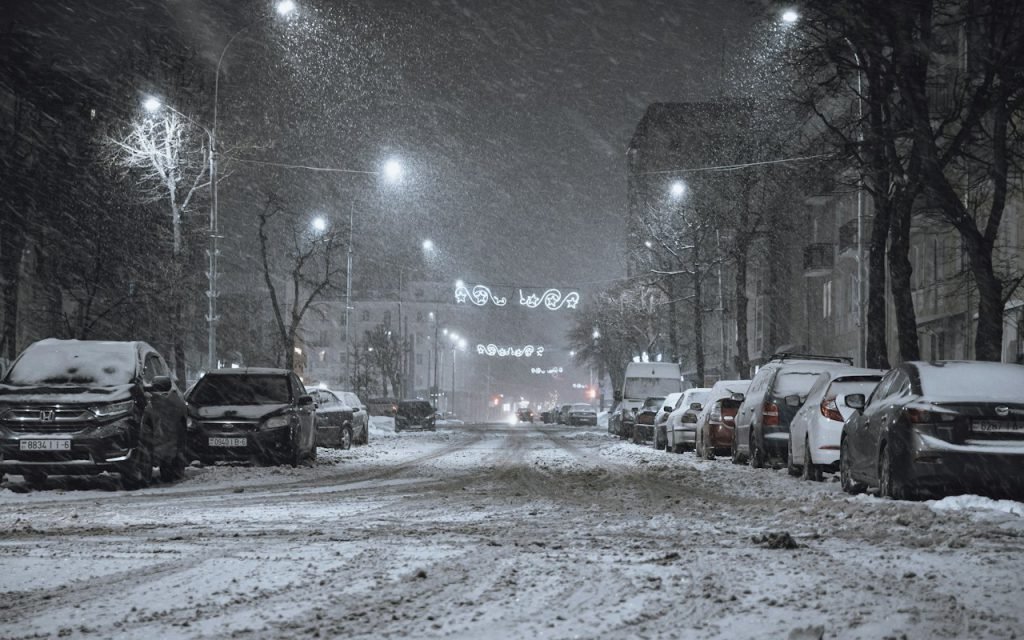

Heating and cooling are often a home’s biggest energy use. Small fixes add up. On a frigid January night in Minneapolis or a scorching August afternoon in Phoenix, your furnace or air conditioner is working hard to keep the inside of your home comfortable while the outside does everything it can to get in. Every gap around a door, every thin patch of attic insulation and every leaky duct makes that job harder, and you pay for the difference on your utility bill.
The good news is that many of the most effective energy upgrades are also among the least glamorous and least expensive. You do not need to start with solar panels or a brand-new heating system. Sealing drafts, adding insulation and tuning up the equipment you already have can make a noticeable difference in comfort and cost. This guide walks through the biggest wins, starting with the simplest.
Start with a home energy audit
Before spending money, it helps to know where your home is losing energy. A professional home energy audit typically includes a blower door test, which uses a powerful fan to depressurize the house and reveal air leaks, and often an infrared camera scan that shows where heat is escaping. The auditor then gives you a prioritized list of improvements.


Many utilities offer audits for free or at a reduced cost, and some offer rebates for completing the recommended work. If a professional audit is not available, you can do a basic walk-through yourself. On a cold, windy day, hold a stick of incense or a damp hand near windows, doors, outlets and attic hatches and watch or feel for drafts. Check your attic insulation depth with a ruler. Look at your utility bills to see which months spike.
The cheapest energy is the energy you don’t waste.
Energy auditor
As you plan, think about the order of the work. Sealing and insulating usually come before equipment upgrades, because a tighter house may need a smaller, less expensive furnace or air conditioner. Replacing a system first and then improving the house can leave you with equipment that is larger than it needs to be, which can waste energy and wear out faster.
Seal drafts
Weatherstripping doors and windows is cheap and effective. Air leaks are one of the most common sources of wasted energy in American homes. Individually, a gap under a door or around a window frame may seem small, but added together, the leaks in a typical older house can be like leaving a window open all year.
Where to look for leaks
- Exterior doors: worn weatherstripping and a missing door sweep at the bottom.
- Windows: gaps where the frame meets the wall and around movable sashes.
- Attic hatches and pull-down stairs: often completely unsealed.
- Plumbing and wiring holes: openings where pipes and cables pass through walls, floors and ceilings.
- Outlets and switch plates on exterior walls: inexpensive foam gaskets fit behind the cover plates.
- Recessed lights and chimneys: these need special materials; ask a professional.
Most of these fixes use simple materials from a hardware store: adhesive weatherstripping, door sweeps, caulk for small gaps and expanding foam for larger openings. Be sure to use fire-rated materials around chimneys and flues, and keep in mind that homes with fuel-burning appliances need adequate ventilation. If you make major air-sealing improvements, a professional can check that combustion appliances are venting safely.
Insulate
Attic insulation can make a big difference in many homes. Heat naturally rises in winter and pours down from a hot roof in summer, so the attic is often the most important place to insulate. Many older homes have far less insulation than current recommendations, and some have insulation that has settled or been disturbed over the years.
Recommended insulation levels depend on your climate zone. A home in northern Minnesota needs much more than one in southern Florida. Check guidance for your region or ask an energy auditor. In general, if you can easily see the tops of the ceiling joists in your attic, there is likely room for more insulation.
Before you add insulation
- Seal air leaks in the attic floor first, since insulation alone does not stop moving air.
- Check for moisture problems, roof leaks or signs of pests, and fix them before covering anything up.
- Look for old insulation that may contain hazardous materials, and have a professional test anything suspicious.
- Make sure attic ventilation, such as soffit and ridge vents, stays clear.
- Keep insulation a safe distance from recessed lights, chimneys and other heat sources unless they are rated for contact.
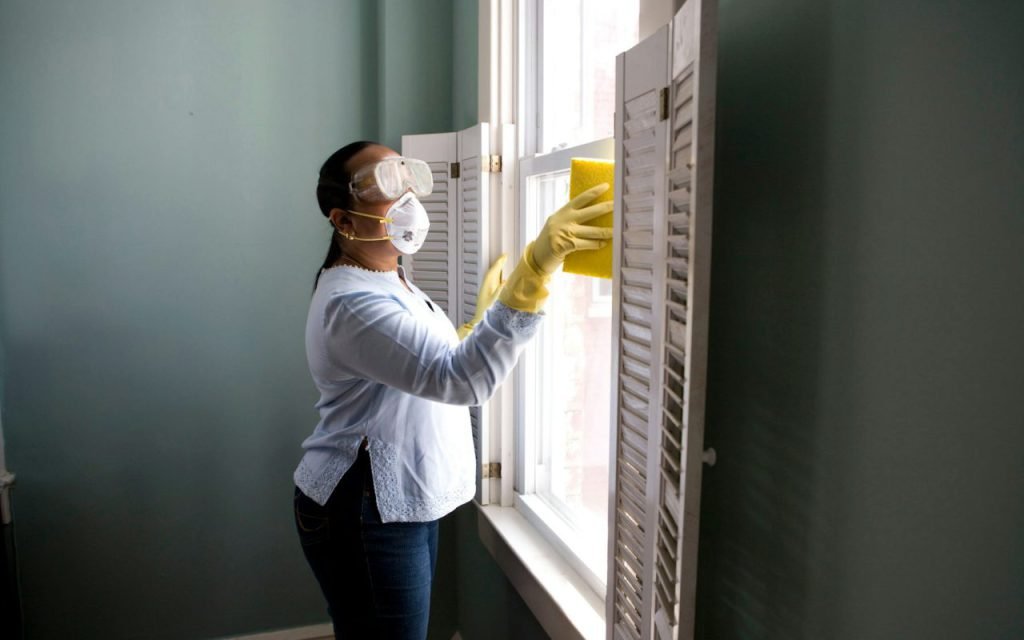
Adding attic insulation can be a do-it-yourself project for handy homeowners, especially with blown-in insulation machines that some home improvement stores lend with a purchase. Wear protective gear, including a mask, goggles and long sleeves, step only on joists and work in cooler weather, since attics get dangerously hot in summer. Many people prefer to hire a contractor, who can usually finish the job in a single day.
Walls, basements, crawl spaces and rim joists can also benefit from insulation, but these projects are often more involved. An auditor or insulation contractor can tell you which areas will pay off most in your home.
Heating and cooling equipment
Once the house itself holds heat and cool air better, the equipment that conditions it does not have to work as hard. Some simple steps keep heating and cooling systems running efficiently:
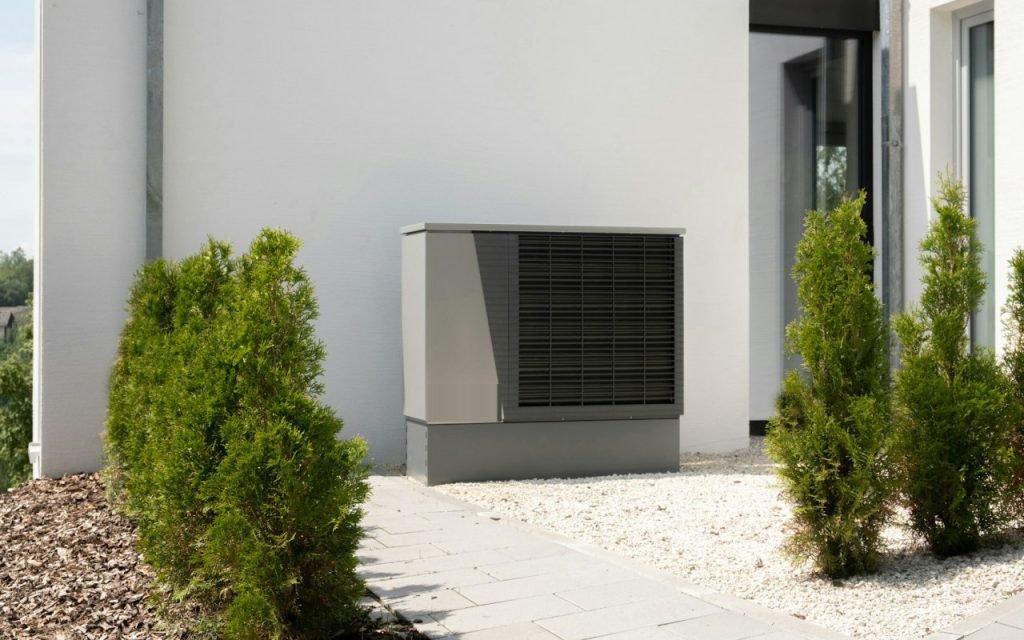
Change or clean filters regularly, typically every one to three months depending on the type and your household. Schedule annual maintenance with a qualified technician. Keep outdoor units clear of leaves and plants. Seal and insulate accessible ductwork, especially in attics and crawl spaces, where leaky ducts can waste a surprising amount of conditioned air.
A programmable or smart thermostat can lower energy use by adjusting temperatures while you sleep or are away. Even a few degrees of change during those hours can help. When it is time to replace an aging furnace or air conditioner, consider a high-efficiency model or a heat pump, which can both heat and cool. Many utilities and government programs offer rebates or tax incentives for efficient equipment, so check what is available in your area and talk to a qualified contractor about sizing.
More quick wins
Beyond heating and cooling, a few other changes are easy to make:
- Switch remaining incandescent bulbs to LEDs.
- Lower your water heater temperature to around 120 degrees Fahrenheit, as many manufacturers suggest.
- Wash clothes in cold water and air-dry when practical.
- Use ceiling fans to feel cooler at a higher thermostat setting in summer.
- Close curtains on hot afternoons and open them to let winter sun in.
- Unplug or use power strips for electronics that draw power when idle.
Key takeaway: seal first, insulate second and keep your equipment well maintained. Those three steps tackle the biggest energy losses in most homes.
A more comfortable home
Energy efficiency is often discussed in terms of utility bills and emissions, and both matter. But many homeowners who seal drafts and add insulation say the biggest change is comfort: fewer cold spots in winter, cooler upstairs bedrooms in summer and a quieter house overall. Start with a single weekend project, such as weatherstripping the front door or checking the attic, and build from there. Your home, your wallet and the planet will all feel the difference.