

Seven years ago, sisters Clare and Nora Whitman started baking granola in their parents’ garage. Today their company employs 40 people. Their maple granola, sold under the name Two Hollows, is now on the shelves of about 300 stores across New England, from small co-ops in the Northeast Kingdom to grocery chains in Boston. The business still runs out of the city, still buys its maple syrup from a farm a short drive away and still uses a version of the recipe the sisters first tested on a borrowed home oven. Their story is one of the more remarkable small-business successes in the region, and they insist it is only beginning.
From garage to grocery shelf
The business began almost by accident. Clare, then working as a pastry cook, made a batch of maple granola as holiday gifts for friends. Nora, who had a background in marketing, noticed that people kept asking for more. That winter, the two cleared space in their parents’ garage, bought a secondhand convection oven and started selling bags at the Saturday farmers market.
“We sold out the first week, and we thought it was a fluke,” Nora said. “Then we sold out the second week, and the third. By spring we were baking every night after our day jobs.”


The early years were lean. The sisters packed bags by hand at the kitchen table, delivered orders in their own cars and kept costs low by doing everything themselves. A turning point came when a local co-op agreed to stock the granola, followed a few months later by a regional grocery chain. Within three years, they had outgrown the garage and moved into a leased commercial kitchen in the city’s south end.
What makes it different
The granola itself is simple. Rolled oats, nuts and seeds are tossed with pure maple syrup and a little sunflower oil, then baked slowly in small batches so the clusters stay large and crunchy. The company now makes six flavors, but the original maple pecan still accounts for more than half of sales, according to the sisters.
The ingredient that matters most to them is the syrup. Two Hollows buys nearly all of its maple from Ridgeback Sugarworks, a family farm about ten miles from the bakery. The sisters say they visit during sugaring season every spring and pay above the bulk price to support a long-term relationship.
Staying local
They turned down an offer to move production out of state. Two years ago, a larger food company approached the sisters about a partnership that would have shifted baking to a large facility in another state, with lower costs and faster growth. The sisters said they considered it seriously before saying no.
Our maple comes from ten miles away. It would feel wrong to leave.
Clare Whitman, co-founder
Clare said the decision was about more than sentiment. Keeping the bakery local means they can control quality, stay close to their suppliers and keep jobs in the community where they grew up. “We know our employees’ kids,” she said. “We know the farmers who sell us syrup. That matters to us, and honestly, it matters to our customers too.”
The people behind the product
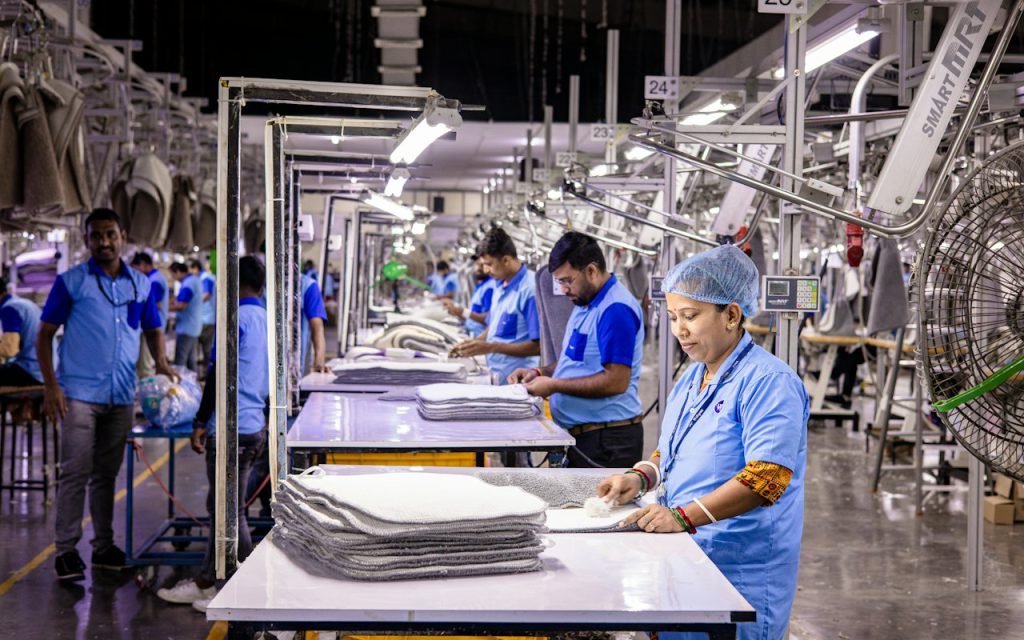
Today Two Hollows employs 40 people in baking, packing, shipping, sales and administration. Most work full time, and the company offers health insurance and paid time off, which the sisters say was a priority from the first hire. Several employees have been with the company since the early garage days.
Luis Moreno, the production manager, joined five years ago as a part-time packer. “When I started, there were six of us and one oven,” he said. “Now we have a full production line, and I train new people every month. They gave me a real chance to grow.”
Growing through hard years
The path has not always been smooth. In the company’s third year, a large order from a regional chain arrived just as a key oven broke down, and the sisters spent two weeks baking around the clock in a rented church kitchen to fill it. A few years later, a spike in the price of nuts and oats squeezed margins so tightly that they briefly considered raising prices by a third. Instead, they renegotiated with suppliers, cut packaging waste and raised prices modestly over two years.
The sisters say those moments taught them to keep a cash cushion, to have backup suppliers and to be honest with store buyers when problems came up. “Every buyer we called during that oven disaster stuck with us,” Nora said. “They just wanted to know the truth.”
Lessons from seven years
Asked what advice they would give to other local entrepreneurs, the sisters offered a short list drawn from their own mistakes and successes:
- Start small and sell directly to customers first, so you hear honest feedback.
- Know your numbers early, especially the true cost of each bag or item you sell.
- Build relationships with local stores before chasing large accounts.
- Hire people you trust and invest in training them.
- Say no to growth that does not fit your values, even when it is tempting.
Nora added that they leaned heavily on free resources, including a small business development center and mentoring from other local food makers. “Nobody in our family had run a company,” she said. “We asked a lot of questions, and people were incredibly generous.”
Key takeaway: Two Hollows grew from one garage oven to 40 jobs and 300 stores while keeping its bakery, its suppliers and its hiring in the community.
Next up
A new bakery on Pine Street will add 15 jobs next year. The company has signed a lease on a former warehouse and plans to open a larger production space there, along with a small retail counter where customers can buy granola, baked goods and coffee.
The expansion will roughly double production capacity, the sisters said, allowing them to reach stores in New York and New Jersey for the first time. The new jobs will include bakers, packers and a maintenance technician, and the company says it plans to post openings in early spring. The project received a low-interest loan through a state program that supports manufacturers who create jobs in Vermont.
Neighbors on Pine Street have largely welcomed the plan, though some have asked about delivery truck traffic. The company says most deliveries will arrive in the early morning, and it is working with the city on a loading zone that keeps trucks off the sidewalk.
Still a family business
For all the growth, the sisters say their roles have not changed as much as people might think. Clare still develops every new flavor and spends most mornings on the production floor. Nora handles sales and the business side, and still drives to the farmers market on summer Saturdays to staff the original stand.
Their parents’ garage, meanwhile, has gone back to being a garage. The secondhand oven that started it all now sits in the company’s break room, cleaned up and labeled with a small brass plaque. “It reminds everyone where we came from,” Clare said. “And it reminds us that we’re still the same two people who didn’t know what we were doing. We just know a little more now.”










Sharing this with my friends.
Saved this one for later. Really useful.