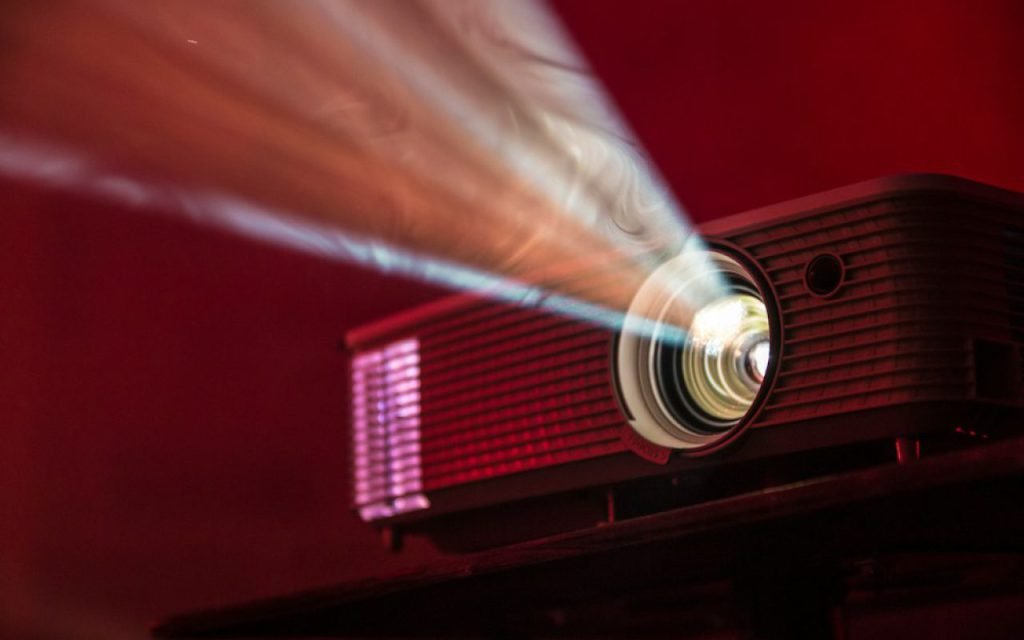
For a century, movies were strips of film running through a projector at 24 frames per second. If you have ever sat in a darkened theater and glanced back at the little window high on the rear wall, you have seen the source of the magic: a single beam of light, flickering with dust, carrying an entire story across the room to the screen. That beam has changed enormously over the past hundred years, and most of the biggest changes have happened within living memory. Here is a short history of how it got from celluloid to lasers, and what was gained and lost along the way.
The age of celluloid
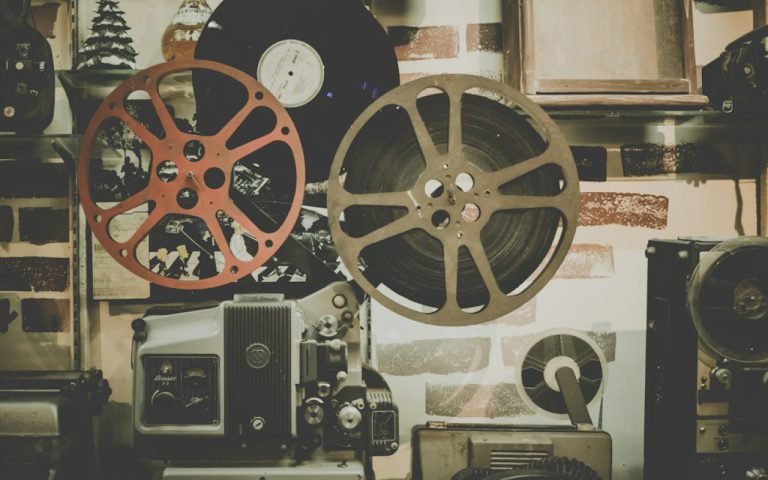
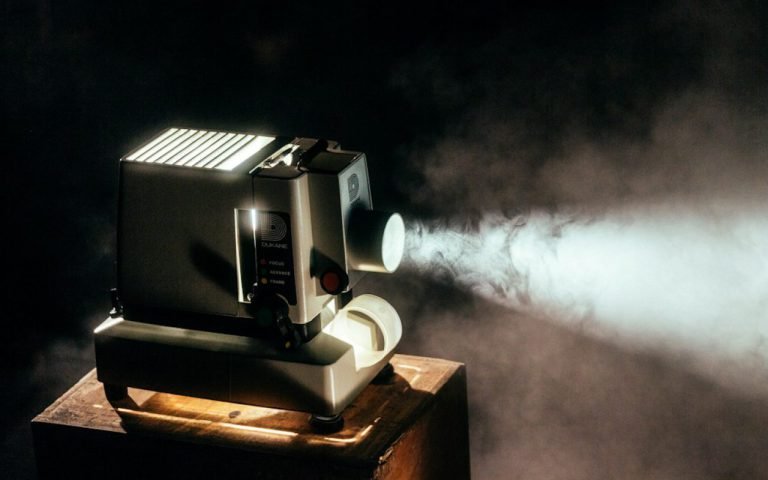
The basic idea of film projection is simple and almost unchanged since the early days of cinema. A long strip of film, made up of thousands of tiny photographs, is pulled past a bright light one frame at a time. A rotating shutter blocks the light while each new frame moves into place, then opens again. A lens focuses the image onto the screen. Because the frames change so quickly, our eyes blend them into smooth motion.
The standard speed of 24 frames per second became common around the time sound arrived in the late 1920s, because the soundtrack, printed right alongside the images, needed a steady, predictable speed to play correctly. That number stuck, and it is still the standard rate for most feature films today, even though almost nothing else about the process has stayed the same.



Early projectors used carbon arc lamps, which created an intensely bright light by running electricity between two carbon rods. They were powerful but demanding, and projectionists had to adjust the rods by hand as they burned down. Later, xenon bulbs replaced carbon arcs in most theaters. They were cleaner, steadier and much easier to maintain, and they remained the standard light source for decades.
The projectionist’s craft
In the film era, projection was a skilled trade. A feature film arrived at a theater on several large reels, often packed into heavy metal cans. In older booths, projectionists ran two projectors side by side and switched between them at the end of each reel, watching for small marks in the corner of the frame that signaled the changeover. Later, many theaters adopted large horizontal platters that let an entire film run continuously from a single projector.
Either way, projectionists spent their days splicing, cleaning, threading and repairing film, and keeping a close eye on focus and brightness during every show. A scratch, a broken splice or a burned frame could stop a screening cold.
Film had warmth. Laser has clarity. Both have magic.
Ruth Adams, theater projectionist
Ruth Adams began running film projectors at a small single-screen theater in Ohio in the 1990s and still works in projection today. She told us she misses the sound of a booth full of film, the steady clatter of the gate and the smell of warm celluloid. “You were part of the show,” she said. “If you got the changeover right, nobody knew you existed. That was the job.”
The digital switch
Most theaters switched to digital projection in the late 2000s and early 2010s. The change happened quickly. Within just a few years, the great majority of screens in the United States had replaced their film projectors with digital systems, and many studios stopped distributing film prints for most wide releases.
There were several reasons. Film prints were expensive to make and ship, and every theater needed its own physical copy. Digital files could be delivered far more cheaply, on hard drives or over secure networks. Digital projection also made it easier to show 3D films, which were enjoying a surge of popularity at the time. And a digital image does not wear out. The hundredth screening looks just like the first, without the scratches and dust that build up on a print over weeks of use.
The switch was not easy for everyone. Digital projectors were costly, and some small, independent theaters struggled to afford them. Communities across the country held fundraisers to help beloved local cinemas make the transition, and sadly some theaters closed. For projectionists, the job changed dramatically. Much of the hands-on work with film disappeared, replaced by managing files, schedules and servers.
How digital projection works
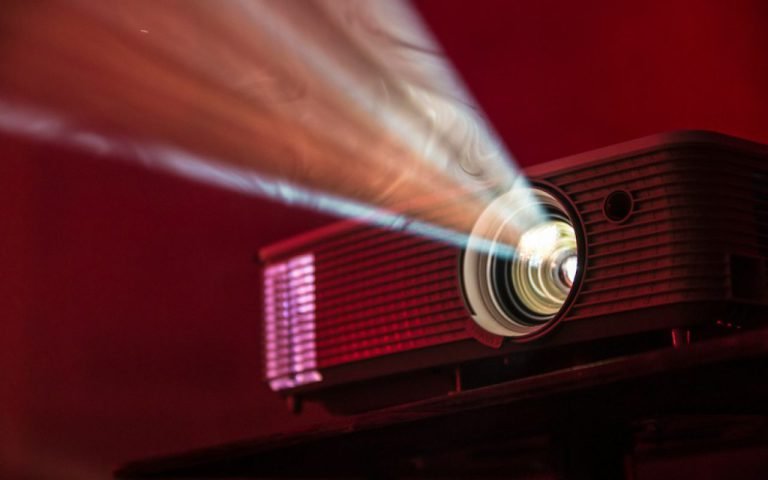
Most digital cinema projectors still use a bright lamp, but instead of shining it through film, they direct the light onto a chip or set of chips covered in tiny moving mirrors or light-controlling pixels. These create the image, which is then sent through a lens onto the screen. Many systems use three separate chips, one each for red, green and blue light, which combine into a full-color picture.
Laser light
Many new projectors use lasers for brighter, sharper images. In a laser projector, the traditional lamp is replaced with laser light sources. This change, which has spread through theaters over the past decade or so, brings several advantages:
- Brighter images. Laser projectors can fill even very large screens with bright, even light.
- Richer color. Many laser systems can display a wider range of colors than lamp-based projectors.
- Deeper contrast. Dark scenes look darker and more detailed, which matters a great deal for moody thrillers and space epics.
- Longer life. Laser light sources can last many times longer than traditional bulbs, with steadier brightness over time.
- Less maintenance. No more regular lamp changes, which saves theaters time and money.
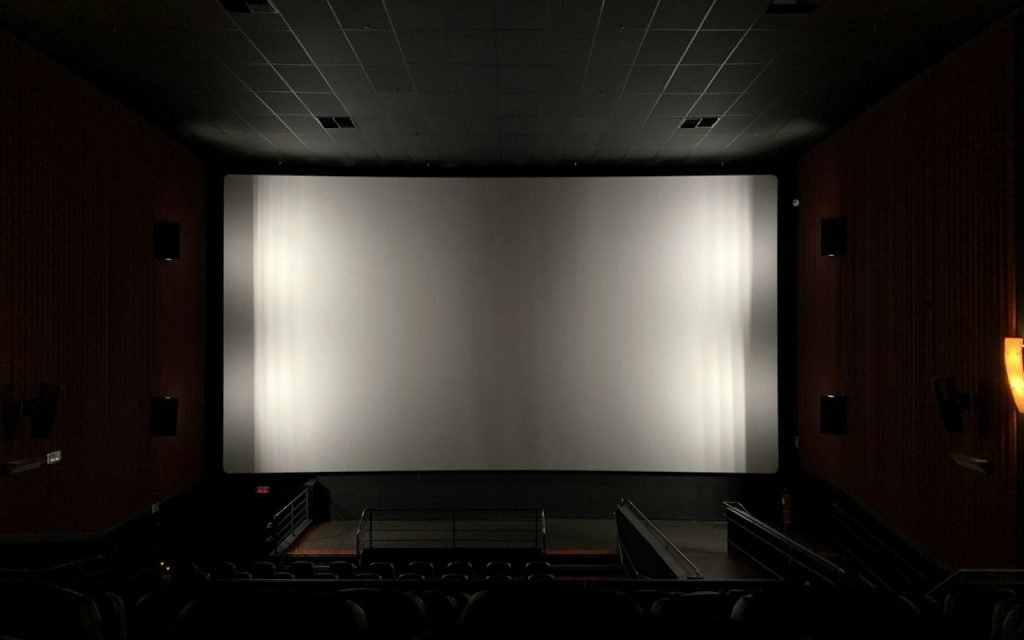
Laser projection has also made premium large-format screens more common. When you see a film advertised on an extra-large screen with enhanced image and sound, there is a good chance a laser projector is behind it. For big releases like “Orbit Nine,” it can make a dramatic difference.
Ruth Adams has run both kinds of machines, and she admits the laser systems won her over faster than she expected. “The first time I saw a night scene on one, I could actually see the stars,” she said. “On an old lamp, half of that would have been gray mush.”
Film is not gone
Even in the laser age, film has not disappeared. A number of filmmakers still choose to shoot on film for its texture and color, and some theaters, especially in big cities, have kept or restored their film projectors to show special presentations. Repertory theaters and festivals often host screenings of classic films on 35mm or even the larger 70mm format, and these events frequently sell out.
For many fans, seeing a film print is a special experience, partly because of how it looks and partly because it connects them to a century of moviegoing. You can hear the projector, see the occasional flicker and know that a real person in the booth is making it happen.
Key takeaway: Projection has moved from carbon arcs and film reels to digital chips and laser light, but the goal has never changed: a bright, steady beam that tells a story.
The beam goes on
The next time you are in a theater, take a moment before the lights go down to look back at that small window. Whether it holds a laser projector, a digital system or a lovingly maintained film machine, it carries a long line of inventors, technicians and projectionists like Ruth Adams who have kept the light shining. Then turn around, settle in and let the beam do what it has always done: carry you somewhere else for a couple of hours.