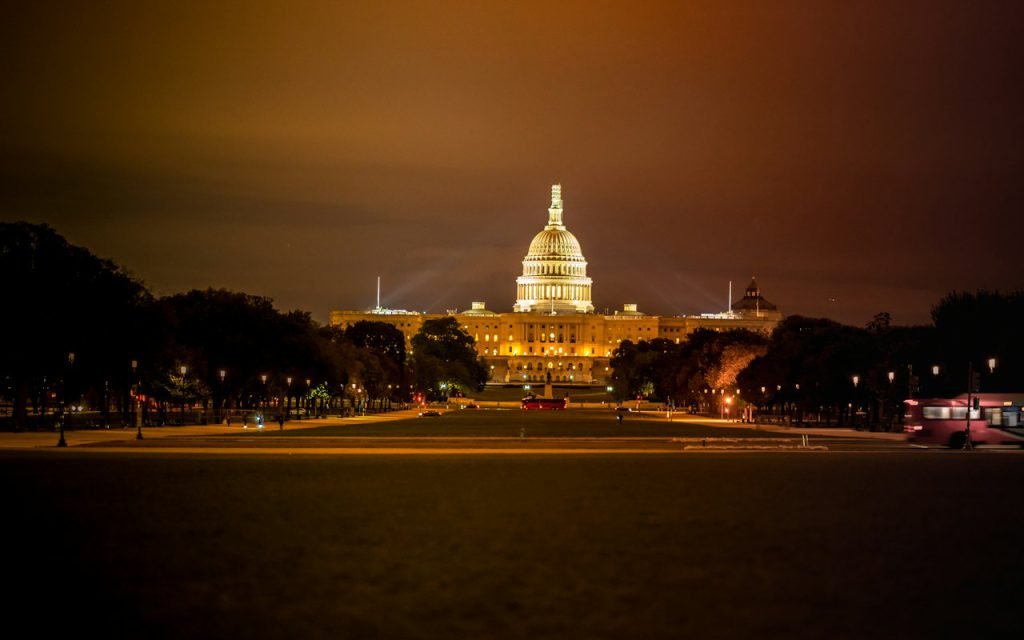




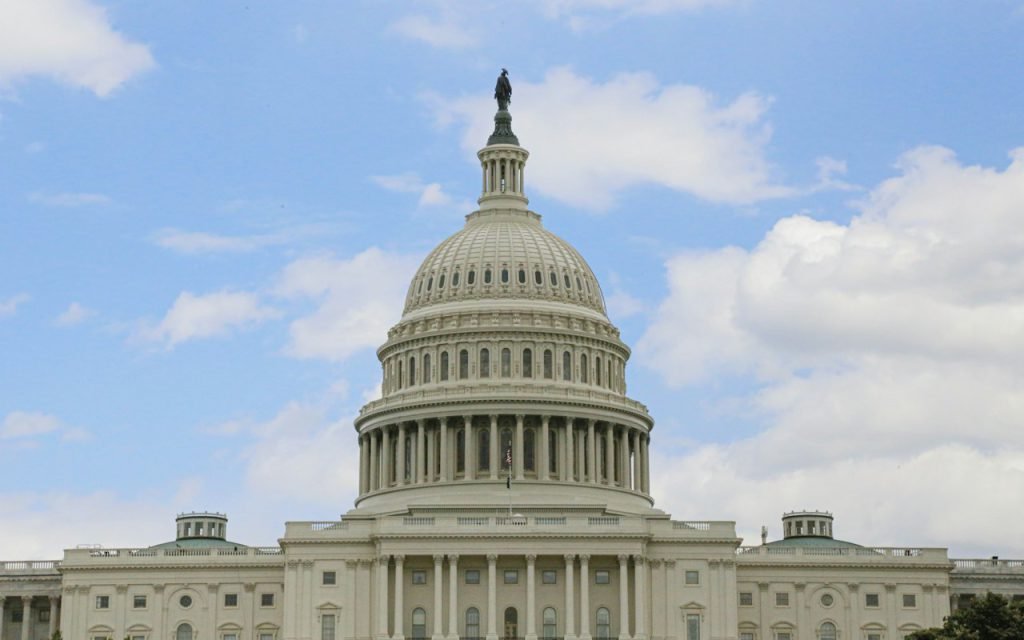

Bipartisan Bill Would Set Aside $48 Billion a Year to Fix Aging Bridges and Water Mains
A rare alliance of rural and big-city lawmakers wants Washington to pay for upkeep, not just ribbon cuttings, with a dedicated maintenance fund for roads, bridges and pipes.
Read the storyState Lawmakers Strike a Deal on Teacher Pay Raises
The agreement would lift starting salaries to $52,000 over three years, paid for in part by a surplus from last year’s budget.
Read the storyHigh Schools Will Start 45 Minutes Later Next Year
The board voted 6–1 to move the first bell to 8:30 a.m., citing research on teen sleep.
Read the story
Live: Election Night 2026 — Results, Races to Watch and Analysis
Follow live results, race calls and analysis from our politics team as polls close across the country.
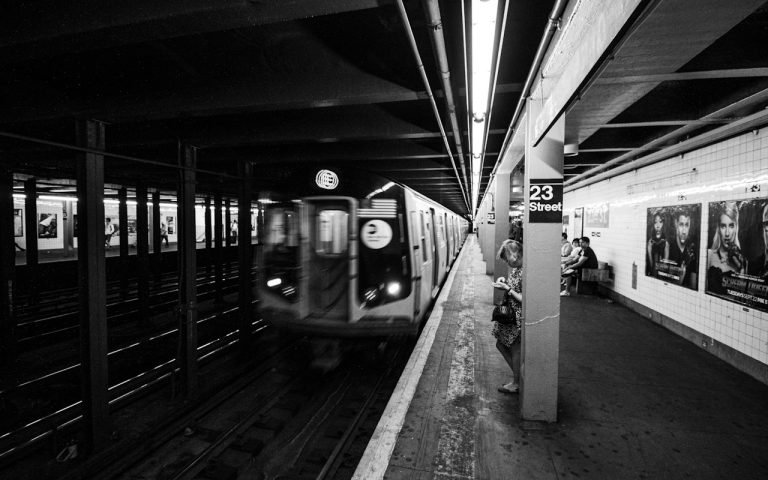
City Council Passes $2.1 Billion Transit Budget After Late-Night Vote
The plan adds three bus rapid-transit lines and keeps fares flat through 2028 — but leaves the downtown…

Live Updates: Winter Storm Brings Heavy Snow and Power Outages to the Northeast
Power outages, road closures and snow totals as a powerful storm moves up the coast.

Early Voting Turnout Hits a Record in the County’s First Weekend
More than 61,000 people voted early on Saturday and Sunday, nearly double the last midterm.
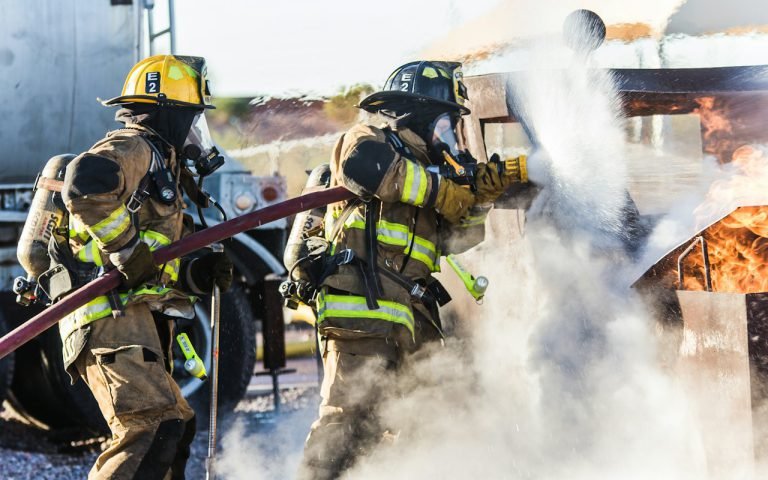
Firefighters Contain Warehouse Blaze on the East Side; No Injuries Reported
More than 80 firefighters spent the night battling the four-alarm fire, which sent smoke across three neighborhoods.

State Lawmakers Strike a Deal on Teacher Pay Raises
The agreement would lift starting salaries to $52,000 over three years, paid for in part by a surplus…

Hospital Opens the Region’s First Pediatric Emergency Room
The 24-bed unit is designed for kids — down to the paint colors and the waiting room.

High Schools Will Start 45 Minutes Later Next Year
The board voted 6–1 to move the first bell to 8:30 a.m., citing research on teen sleep.
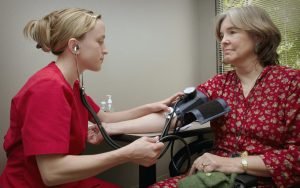
Flu Shots Are Free at 40 Pop-Up Clinics This Month
No insurance or appointment needed. Here’s the full schedule by neighborhood.

Community College Launches Free Training for Electricians
The 16-week program is paid for by local employers, who have 300 openings to fill.

Nurses Bring Free Blood Pressure Checks to Neighborhood Libraries
No appointment, no insurance needed — just a chair and five minutes.
New Reading Program Brings Tutors to Every Elementary Classroom
Retired teachers and college students will work with first and second graders three days a week.